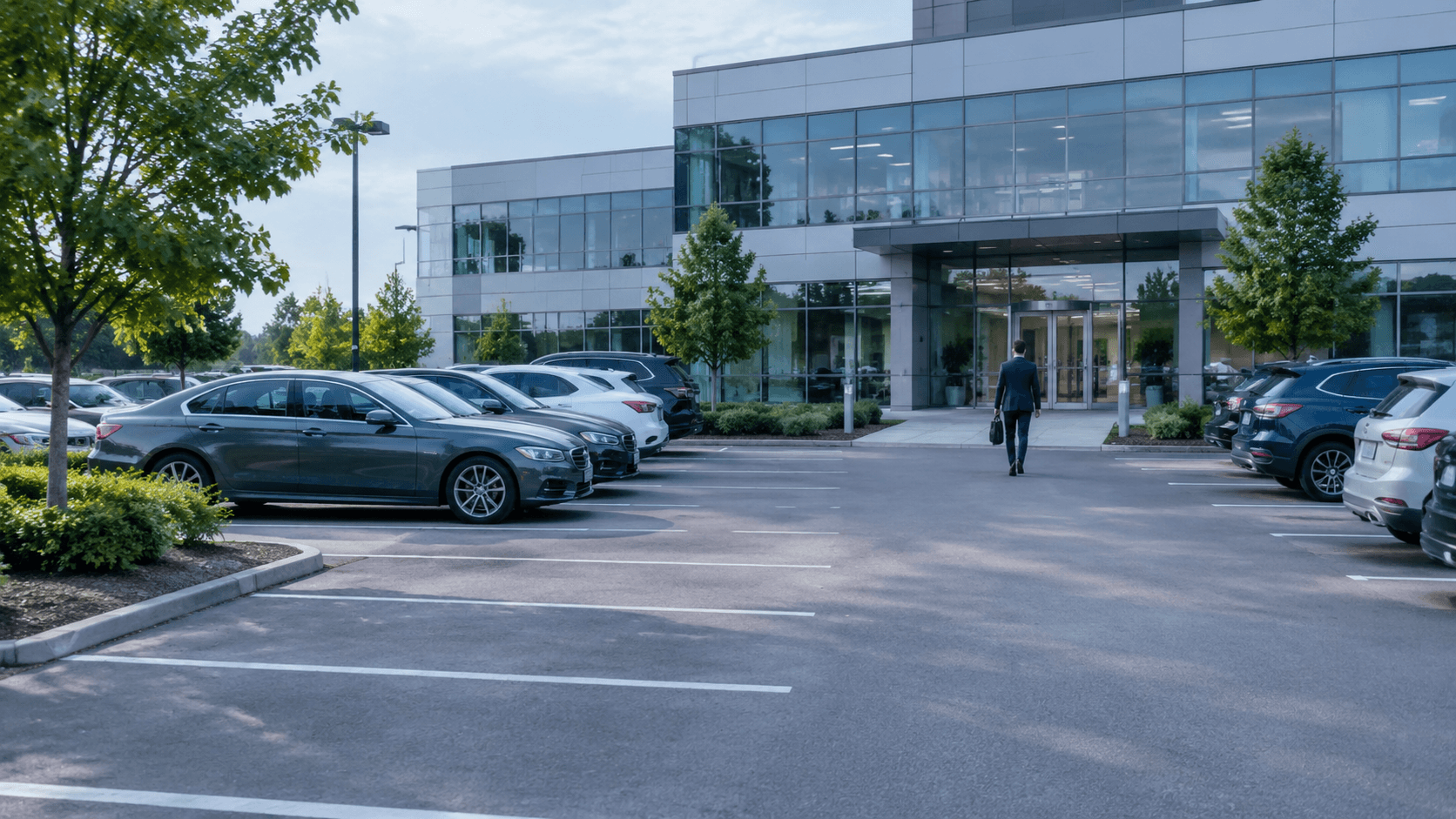
Most offices with a parking problem do not have a space problem. They have a coordination problem. There are more people who drive than there are marked spaces, nobody knows who is coming in on a given day, and so the lot fills first-come while half the frustration is about fairness rather than concrete. This guide covers how to manage an employee parking shortage without pouring a new lot: measure what you need, let people reserve a spot for the days they come in, and set rules the team accepts as fair.
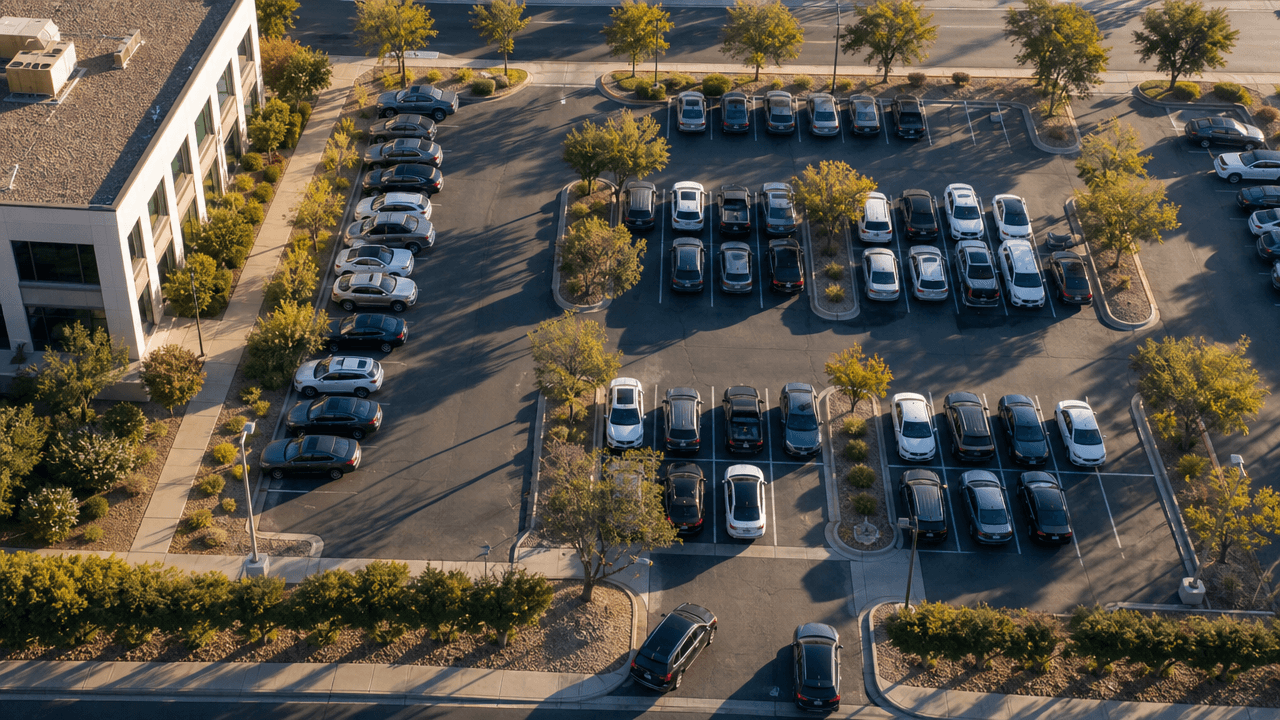
Measure real demand before you do anything else. Peak attendance is almost always lower than headcount, so the shortage is usually smaller than it feels.
The core fix is a booking system: employees reserve a parking spot for the specific days they come in, so a smaller lot covers a larger team without double-booking.
Fair allocation rules matter as much as the software. Rotation, priority tiers, and an automatic waitlist turn "who got there first" into a system people trust.
Reclaim wasted spots. A booked-but-unused space is the cheapest capacity you have; auto-release on no-shows puts it back in the pool the same day.
Alternatives stretch the lot further: staggered days, carpool or transit incentives, and dedicated EV or visitor bays.
If your office has more employees who drive than it has parking spaces, you already know the pattern. The lot fills by 8:30, late arrivals circle or park on the street, and "any way to sort out parking?" lands on whoever manages the office. Building more spaces is rarely an option. But most parking shortages are solvable without new asphalt, because the constraint is usually coordination, not capacity.
This guide is for office managers, HR, and founders at small to mid-sized offices who have to make a fixed number of spaces work for a team that has outgrown them. It covers how to size the real shortage, the practical ways to stretch a limited lot, and how a workplace parking booking system actually works.
Why employee parking runs short
A shortage is rarely just "too many cars." A few things usually stack up at once:
Hybrid attendance peaks. People cluster on the same two or three days. A lot that is fine on Monday overflows on Tuesday and Thursday. The average day looks healthy; the peak day is the problem.
Headcount grew, the lot did not. The company added people without adding spaces, which is normal, because parking is fixed and hiring is not.
No visibility. Nobody knows who is coming in or who is driving on a given day, so every spot is contested every morning even when there was capacity to spare.
Wasted spots. Assigned spaces sit empty when their owner works from home, and booked spots go unused when plans change, so the effective capacity is lower than the painted lines suggest.
The last two are the openings. If you can see demand and stop wasting spaces, a lot that feels 40 percent short often turns out to be roughly enough.
How to manage a parking shortage
There is no single fix. The offices that solve this combine a few of the moves below, starting with measurement.
1. Measure the real shortage first
Before you ration anything, find out how many people actually drive in on your busiest day. It is almost always fewer than your headcount, because of remote days, holidays, travel, transit users, and people who carpool. If you have 60 spaces and 100 employees, your real peak demand might be 55, not 100. You cannot manage a number you have not measured, and the number is usually less scary than it feels.
2. Let employees book a spot for the days they come in
This is the core move. Instead of first-come, first-served, employees reserve a parking spot in advance for the specific days they will be in the office. A shared lot then covers far more people than it has spaces, because not everyone needs a spot on the same day. Booking also gives you the demand data from step one as a by-product, and it ends the morning scramble because people know before they leave home whether they have a space.
3. Set fair allocation rules
Booking without rules just moves the scramble online. Decide, in the open, how spots get allocated when demand is high: rotation so the same people are not always squeezed out, priority tiers for those who genuinely need a space (shift workers, accessibility needs, long commutes with no transit), and an automatic waitlist that assigns a released spot to the next person in line. Writing this down as a fair parking allocation policy is what turns a rationed resource into one the team accepts. If you want the reasoning behind each rule, see how to make company parking fair.
4. Reclaim no-shows
A spot that is booked and then not used is the most expensive kind of empty. Set a rule that unclaimed reservations release automatically after a cut-off, and the space goes back into the pool the same day for someone on the waitlist. This one change often recovers enough capacity to close the gap on its own.
5. Stretch the lot with alternatives
When peak demand genuinely exceeds spaces, spread it out rather than fight over it:
Stagger the busy days. Encourage teams to split across the week so Tuesday and Thursday stop overflowing.
Incentivize other ways in. Transit passes, carpool priority, or secure bike storage each remove a car from the lot.
Carve out the right bays. Dedicated EV charging spots and a few visitor bays prevent the daily improvising that eats general capacity.
How a workplace parking booking system works
An office parking management system replaces the spreadsheet and the group chat with one shared, real-time view of the lot. In practice it works like this:
Add your parking spaces once, with any grouping you need (general, EV, accessible, visitor, team zones).
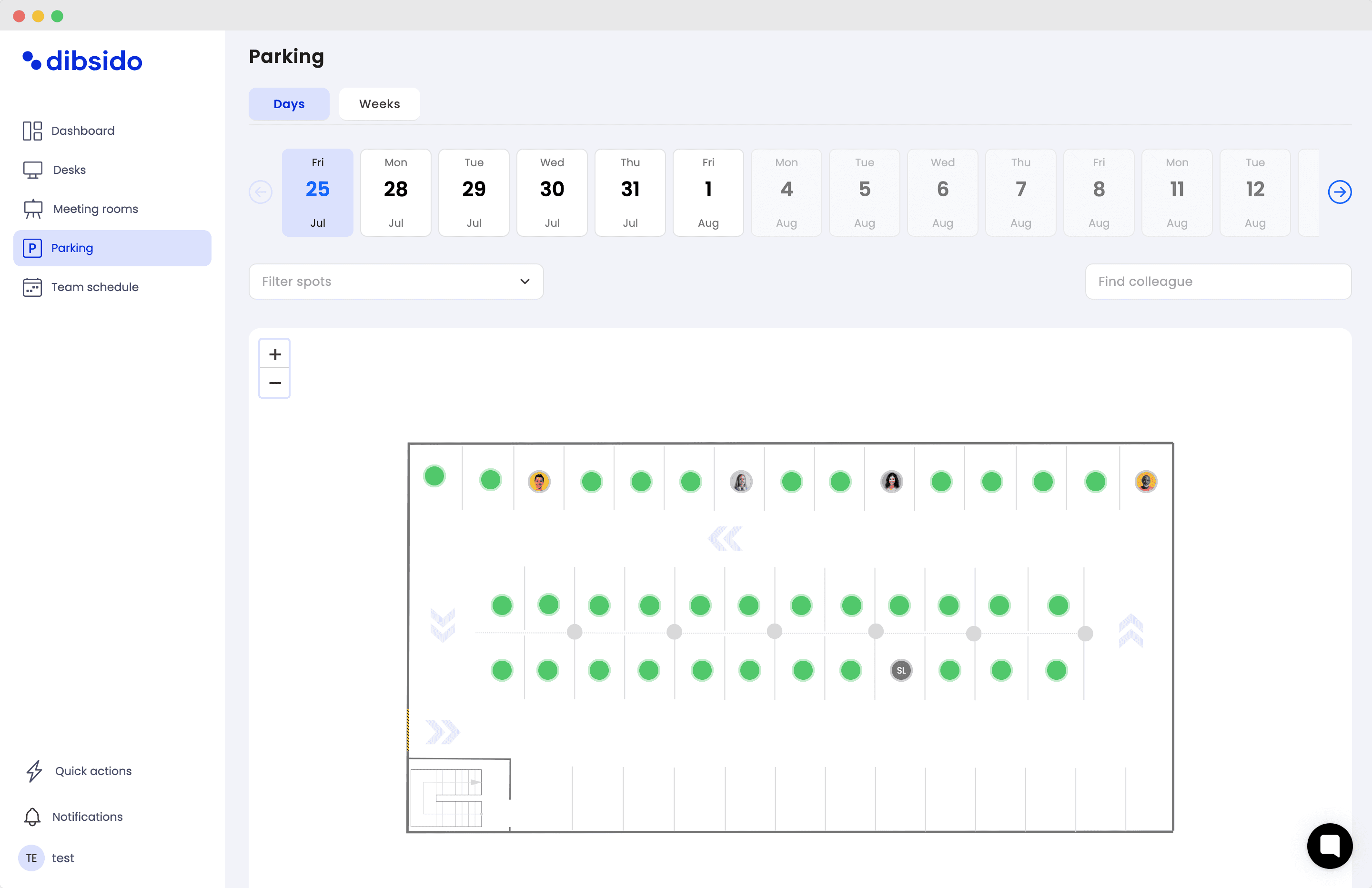
Employees see which spots are free on a given day and reserve one in a couple of taps, from a browser, a mobile app, Microsoft Teams, or Slack.
Rules run automatically: priority tiers, per-person limits, and a waitlist that assigns released spots in order.
Unclaimed bookings auto-release after your cut-off, so no-shows return to the pool the same day.
You get a running record of who booked, who did not show, and which days run full, so you can right-size the lot with data instead of guesswork.
The result is that a smaller lot serves a larger team, mornings are predictable, and the arguments move from "who got here first" to a system everyone can see.
What to look for in the software
If you decide to put a system in, the features that matter for a shortage are: real-time availability, advance booking on web and mobile, fair-allocation rules and a waitlist, automatic release of no-shows, and utilization reporting so you can prove how many spaces you actually need. A free plan or trial lets you validate demand before you commit. For a fuller checklist and a look at the market, see the guide to employee parking management software and our best office parking management software comparison.
Where Dibsido fits
Dibsido is a workplace booking platform, and parking is one of its modules. Employees book a parking spot for the days they come in, from the app, Microsoft Teams, or Slack; the system shows live availability, runs your allocation rules and a waitlist, and auto-releases no-shows back into the pool. It tracks bookings and no-shows and surfaces which days run full, so you set the policy from real data rather than guesswork. The free plan covers up to 5 parking spots with no time limit, and parking is priced as its own module so you only pay for what you use. You can also run desks and meeting rooms in the same app if the parking problem turns out to be part of a wider office-day one. See how to roll out a shared parking booking system for the practical steps.
Frequently asked questions
What can you do if there are not enough parking spaces for employees?
Start by measuring how many people actually drive in on your busiest day, which is usually far fewer than your headcount. Then let employees book a spot for the specific days they come in, so a smaller lot covers a larger team without double-booking. Add fair allocation rules and a waitlist, release no-shows automatically, and stretch peak days with staggered schedules or transit and carpool incentives.
How does an office parking management system work?
Employees see which spots are free on a given day and reserve one in advance from a browser, mobile app, Microsoft Teams, or Slack. The system blocks double-bookings, applies your rules such as priority tiers and per-person limits, runs a waitlist that assigns released spots in order, and auto-releases unclaimed bookings. Admins get a record of usage and no-shows to right-size the lot.
How do you allocate limited parking spaces fairly?
Decide the rules in the open and apply them consistently: rotation so the same people are not always squeezed out, priority for those with a genuine need such as accessibility or shift work, and an automatic waitlist for released spots. Writing this into a fair parking allocation policy is what makes a rationed lot feel fair rather than arbitrary.
Is there free office parking management software?
Some workplace tools include parking on a free plan for small offices, with paid tiers adding analytics and admin controls. Dibsido offers parking as a module with a free plan covering up to 5 spots and no time limit, so you can validate demand before paying for more.
How many parking spaces does an office actually need?
Fewer than headcount in almost every hybrid office, because not everyone drives in on the same day. The reliable way to find your number is to track real bookings and attendance for a few weeks and size the lot to your peak day plus a small buffer, rather than to your total number of employees.
Can employees book a parking spot for specific days?
Yes. With a booking system, employees reserve a spot only for the days they will be in the office, which is what lets a shared lot cover more people than it has spaces. They can cancel or release a spot if plans change, and reminders prompt them to do so.
What is the difference between assigned parking and shared parking booking?
Assigned parking gives each person a fixed space, which wastes capacity whenever that person is not in. Shared parking booking lets people reserve any free spot for the days they need it, so the same number of spaces serves far more employees. Most offices with a shortage move from assigned to shared booking to recover unused capacity.
How do you handle parking no-shows?
Set an automatic release rule: if a booked spot is not claimed by a cut-off time, it returns to the pool and the waitlist assigns it to the next person. A tool that tracks no-shows per person also lets you spot repeat patterns and adjust your rules, while people themselves set the policy on what to do about them.
Ready to make a limited lot work for your whole team? Try Dibsido free, explore parking booking, or book a demo to see it on your own floor plan.
Our platform is designed to empower businesses of all sizes to work smarter and achieve their goals with confidence.