Dibsido: According to your reports, only 9% of employees feel more productive in the office than at home. How can employers change that?
Fabien Rada: I think that offices need to adapt to how people really work today. The pandemic changed everything: a lot of meetings moved online, so people don’t meet physically as often anymore. If I have a 30-minute meeting but it takes me 30 minutes to commute to and from the office, it’s simply more efficient to meet online.
Dibsido: So what kind of office setups help employees be productive on site?
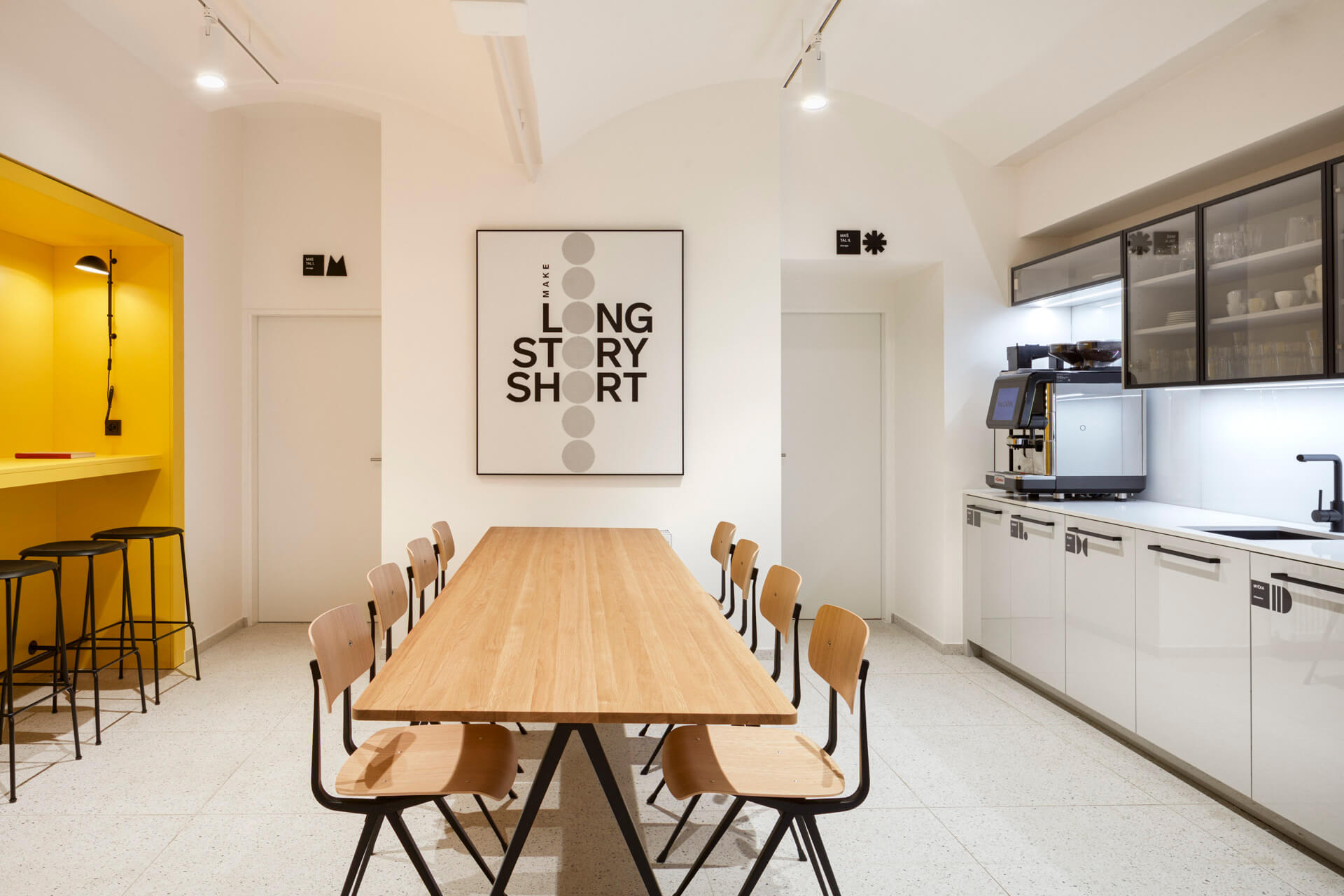
Fabien Rada: Offices today need to offer a variety of spaces to support different ways of working: whether it’s for taking a quick call, focusing on a demanding task, or collaborating with colleagues.
Ideally, this includes smaller meeting rooms (huddle rooms) with good audio and video equipment where anyone can sit with their laptop and have a call without disturbing others. Otherwise, people end up taking calls at their desks in open-plan offices, which distracts their colleagues.
“The challenge today is that many companies have five-year or longer lease cycles, so it’s not easy or cheap to quickly adapt spaces. It requires investment, expert advice, and technology to measure how people actually work.”
Dibsido: Beyond the office layout itself, what other factors have your data shown to influence how productive people feel at home versus in the office?
Fabien Rada: When people say they’re more productive at home, they might mean they control their time better. They don’t have to deal with often unpredictable commuting, they can focus on their work without interruptions, or they can fit in a quick walk or household task during a break. Or it can be about starting their work earlier and finishing sooner, which could play a huge role in why they feel more efficient at home.
Looking at the manager's point of view is also interesting.
48% of managers feel their teams are equally productive at home or in the office.
36% believe their teams are more productive remotely.
And only 16% feel teams work better onsite.
This is a huge shift compared to previous years when more managers thought the office was better for productivity.
Of course, this varies by company and industry. Some employees struggle with discipline at home or have distractions like children. Not everyone has a quiet, dedicated space to work remotely.
Dibsido: What about the social side? Managers often claim that it’s better to have people onsite to foster team spirit and communicate better.
Fabien Rada: That used to be the prevailing belief. And in multinational companies with matrix structures—where managers and their teams are often spread across different geographies—that dynamic has genuinely shifted. If you're spending a large part of your day on video calls with people in other countries, the benefit of being in the office starts to fade. Employees in these setups often prefer to join those international calls from the quiet of their home rather than struggling to find a free booth or dealing with the noise of an open office.
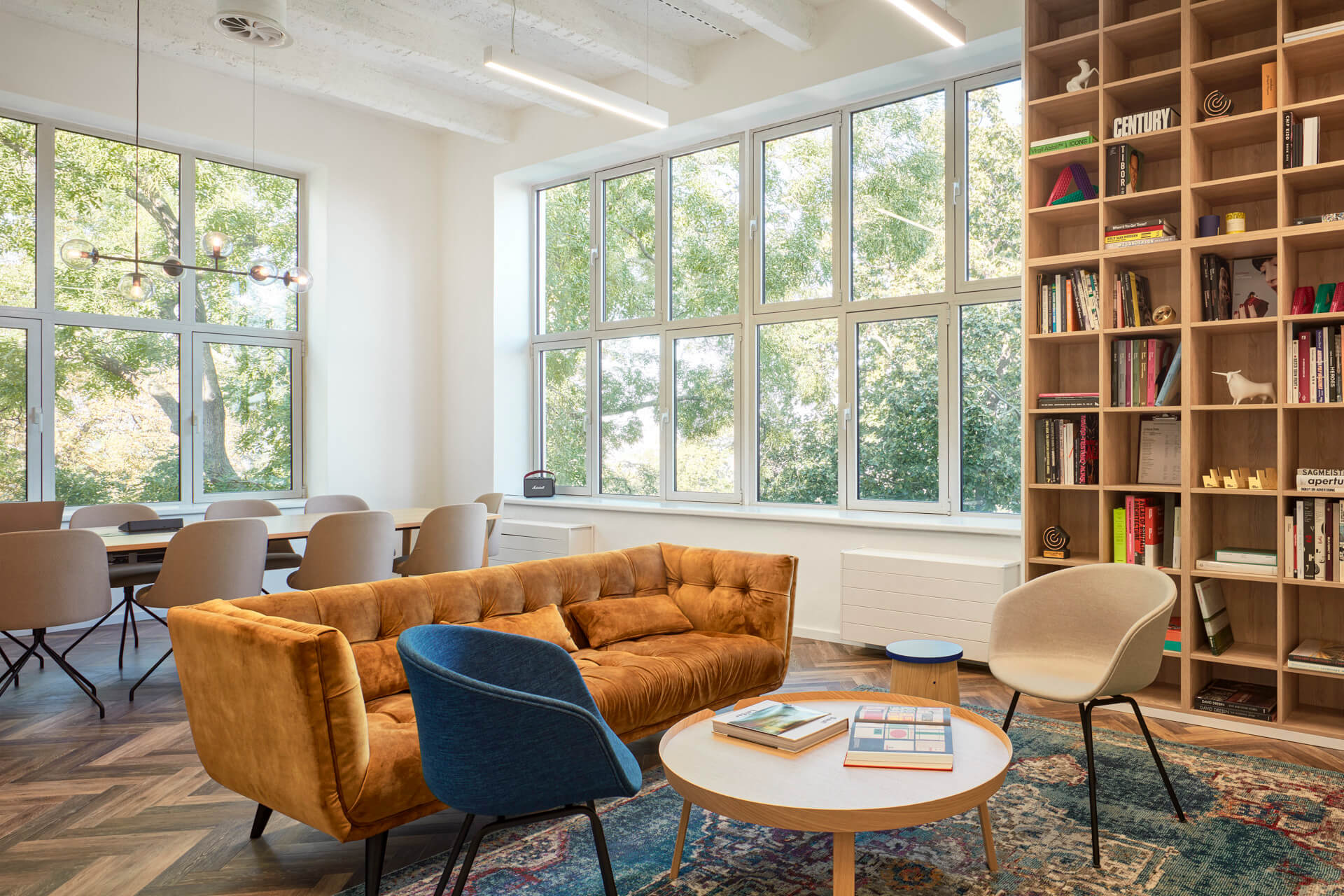
That said, the office still plays a vital role. Just as no sports team can do without its home stadium, companies need a physical space to strengthen their culture and build relationships. The office may no longer be the default place where all work gets done, but it remains the place where teams come together, align, and connect.
“Work is no longer tied to a place but to the results and activities performed.”
Dibsido: Speaking of open-plan offices, what is their future? For a long time, it has been an industry standard despite being criticized for being noisy. Is it evolving?
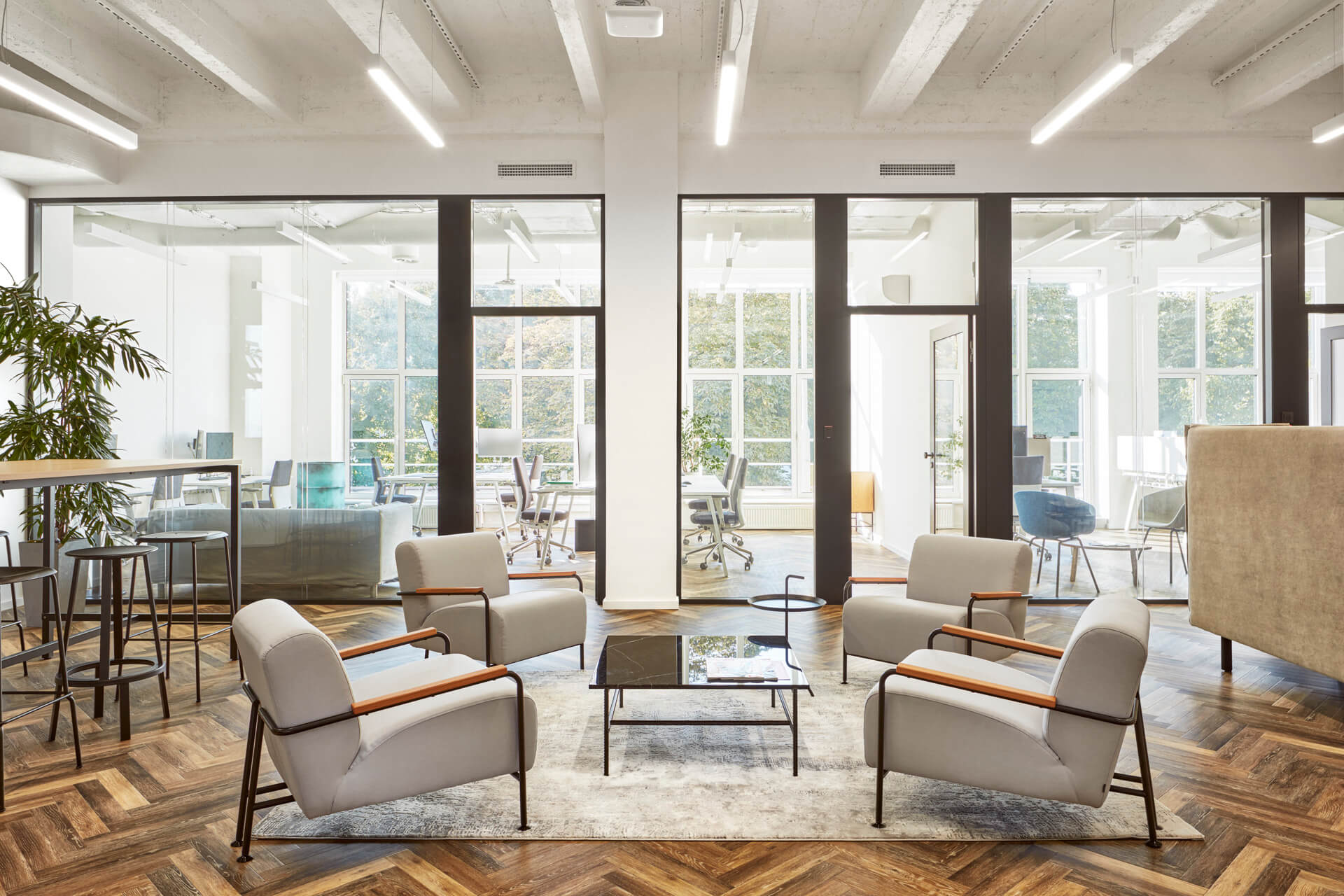
Fabien Rada: It is definitely evolving. Currently, large open spaces are divided into zones based on specific activities they are intended for. Mobile furniture, acoustic panels, and partitions are widely used. These aren’t drastic structural changes or the construction of new walls, but they provide enough separation to reduce noise and interruptions.
“Our research shows over 40% of employees want dedicated areas for focused work because open spaces can be distracting.”
Dibsido: So the ideal office is basically a hybrid of open space and private zones?
Fabien Rada: Exactly. The goal is to provide diverse spaces that support different work styles: from loud collaboration to deep focus. If an office can offer that variety, employees might actually start feeling just as productive there as they do at home. The role of the office is changing, not disappearing. Companies still need physical spaces that support collaboration, culture, creativity, and employee experience—but those spaces need to be far more flexible and adaptable than before.
Dibsido: What is the current state of the commercial real estate market in the Czech Republic?
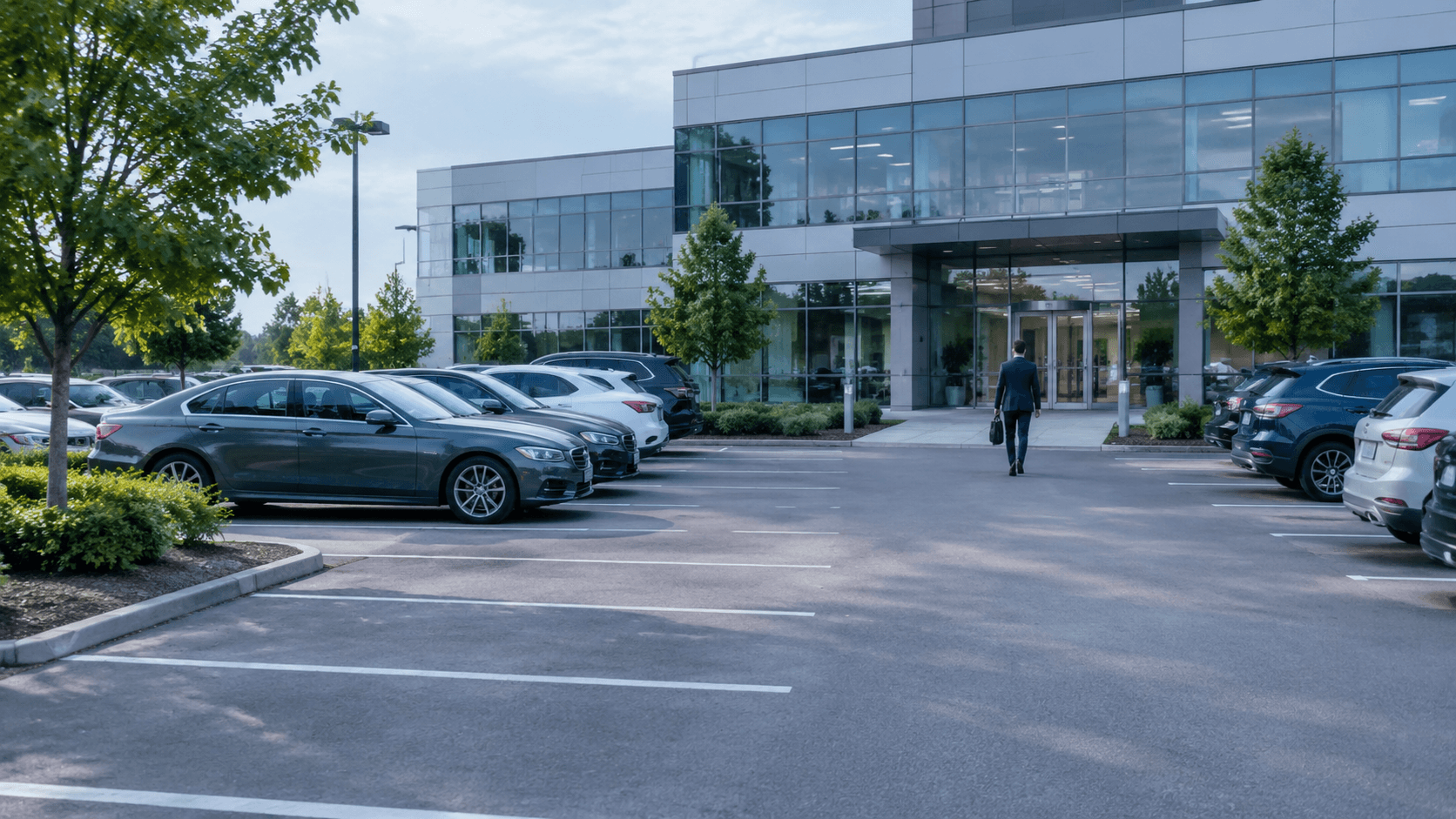
Fabien Rada: Right now, the vacancy rate is very low. In Prague, it stayed between 6–6.5%, but by Q4 2025 the city's average had dropped to 5.9% and is still going down.
It’s important to say that new office buildings will be more expensive to build because of inflation, higher material costs, and financing expenses. So, rents will go up accordingly. All of this means the office market is very tight. With limited supply and rising costs, it’s a big challenge for companies looking for flexible, modern spaces.
Dibsido: Internationally, we are seeing a trend of converting office buildings into residential spaces to help with the housing crisis. Could this work in cities like Prague, where housing is short and prices are high?
Fabien Rada: The main problem is that construction here is generally very slow, and that’s true for both residential and commercial buildings. The situation is basically the same in both markets.
Even though it might look like there’s a lot of building going on, we are actually building too little and for a lot of money. The reason is the extremely long permit process; it can take developers about eight years just to get the green light. When you add expensive financing and a shortage of people and materials, it naturally pushes up both rents and prices.
To answer your question: if we had enough office buildings, we could think about repurposing them. However, in the Czech Republic, office-to-residential conversion is particularly problematic due to strict building codes and infrastructure differences. Office buildings have plumbing, ventilation, and layouts designed to meet regulations for workspaces, not for residential use. This is why this trend cannot be easily or quickly replicated here, despite the pressing need for housing.
Editor's note: The data referenced in this interview reflects Workplace Experience Survey 2025 done by IO Partners in the Czech Republic. The data for 2026 are currently being processed.
About iO Partners:
iO Partners, headquartered in Vienna, offers complete real estate services — office and industrial leasing, capital markets, valuations, and project management — operating in the Czech Republic, Austria, Croatia, Romania, Serbia, Slovakia, and Hungary. With 30 years of experience in the CEE region, iO Partners combines innovation and entrepreneurial agility with global expertise ensured by its preferred partnership with JLL, delivering smart and efficient solutions.
Our platform is designed to empower businesses of all sizes to work smarter and achieve their goals with confidence.