Adding plants and natural materials to the office is one of the few productivity tips that's actually backed by hard data. Here's what biophilic design is, what it does, and how to introduce it without ripping out half the office.
Plants, Productivity, and the Biophilic Trend
Did you know that having plants in the office can boost your productivity and creativity by up to 15%? Finally, some solid data to justify my totally normal (read: slightly unhinged) plant collection.
Turns out, my little obsession has a fancy name - biophilic design. It's actually one of the hottest trends in office spaces right now, bringing a touch of nature into the workplace.
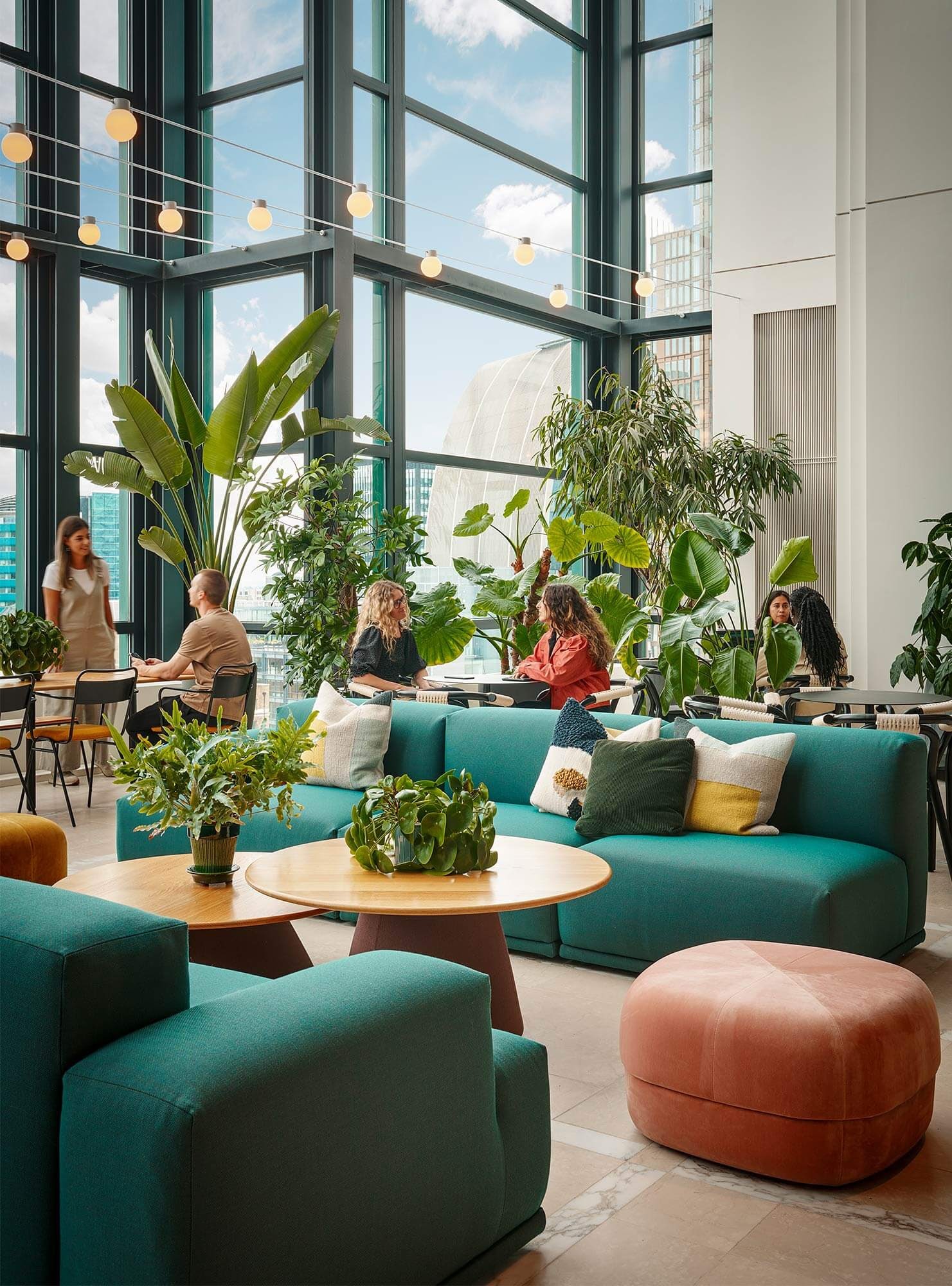
And for a good reason. Humans are wired to feel at ease in natural environments. Plus, softer, organic elements create a more harmonious space and don't overstimulate your brain the way harsh, artificial settings can. (My attention span is already wrecked from the constant doomscrolling.)
As with anything in life, you can go all in or just make a few small tweaks to your office setup. Here are some easy wins:
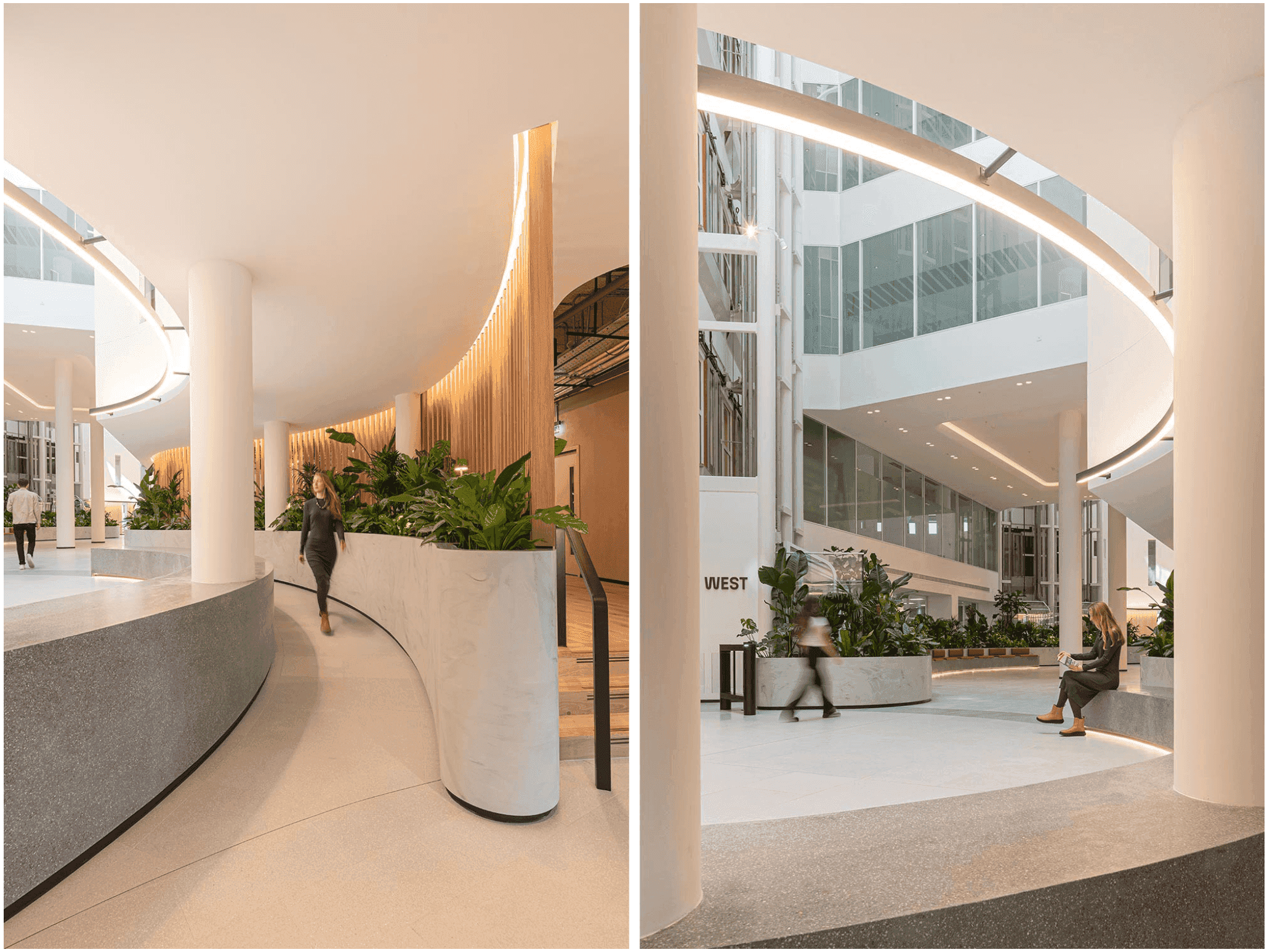
🌿 Curved shapes: Not everything has to be a box. Think soft, organic lines, and rounded edges.
🎨 Natural colors: Neon and super bright colors had their moment, but biophilic design is all about earthy tones - greens, beiges, warm browns.
🪵 Materials & textures: More wood, fewer plastic surfaces. A green wall? Even better. Bamboo and moss panels are not just aesthetic but also great for sound absorption. Win-win!
What the Research Actually Says
The 15% figure comes from the Human Spaces report, published in 2015 by carpet manufacturer Interface in partnership with organisational psychologist Cary Cooper of Lancaster University. The study surveyed over 7,600 office workers across 16 countries and found that environments incorporating natural elements correlated with a 15% boost in well-being, 15% higher creativity, and a 6% productivity increase. Despite the data, the same report noted that 47% of offices globally had no natural light and 58% had no live plants - so the gap between what the evidence supports and what most offices look like is still wide. Follow-up research from workplace design firms including Gensler has reinforced the link between biophilic elements and how engaged people feel at work. For a useful primer on how a well-designed workplace pays off, we recently interviewed workplace consultant Michaela Novotna on the same topic.
Where to Start in Your Office
Add one large plant per shared area. Snake plants and pothos are nearly impossible to kill and tolerate low light.
Warm up the lighting. Replace cool fluorescent overheads with bulbs in the 2,700-3,000K range where the budget allows.
Swap one plastic surface for a wood or bamboo finish - meeting room tables and reception areas have the highest visibility for the lowest cost.
Use acoustic panels in moss or felt instead of plastic. They absorb sound either way; only one looks like a workplace people want to be in.
Run a one-month pilot in a single room before redoing the whole office. The team's reaction will tell you more than any mood board.