If you've spent any time on LinkedIn lately, you've seen it — the kind of post that makes you wince, scroll faster, and silently vow to never post anything like it. Welcome to the world of LinkedIn cringe, and it's more common than you'd think.
The Post That Went Viral (for the Wrong Reasons)
The LinkedIn cringe: Ok, has anyone noticed this gold of a post? 👇
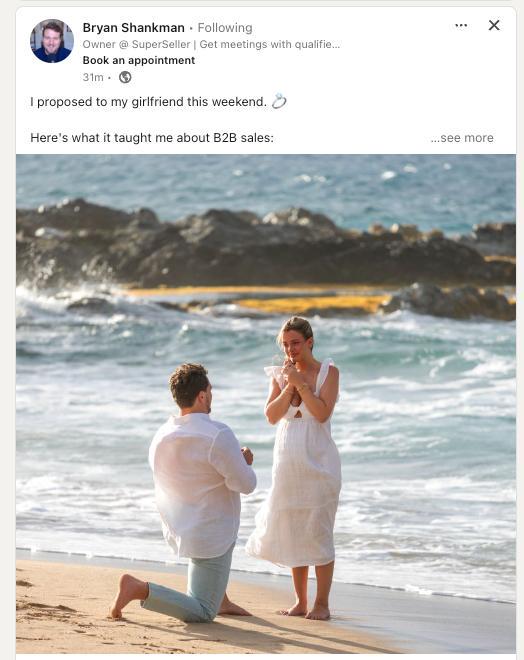
That's what I call a beautiful (and very subtle! 😭) self-promotion. Bryan found a way to go viral quickly... but not in a good way.
Anyway! I know many of us, office managers, have content creation for the company's social media on our to-do lists, and if you don't want to be like Bryan (please don't), here's an article with specific AI prompts to help you create great posts.
Why LinkedIn Cringe Happens
LinkedIn cringe posts tend to follow a pattern: a humble-brag disguised as a life lesson, an overly dramatic story about a mundane event, or transparent self-promotion dressed up as inspiration. The platform's algorithm rewards engagement — including the engagement that comes from people commenting "what did I just read?" — so these posts often go viral, which encourages more of the same.
For office managers who are responsible for their company's LinkedIn presence, the risk is real. One tone-deaf post can attract the wrong kind of attention, and once a post goes viral for the wrong reasons, it's hard to undo.
How to Write LinkedIn Posts That Actually Work
If company social media is on your plate, here are some practical guidelines to keep your posts effective and cringe-free:
Lead with value, not self-promotion. Ask yourself: would I find this useful or interesting if someone else posted it? If the answer is no, rework it.
Be specific. "We're excited to announce..." is filler. Instead, tell people exactly what happened, what it means, and why they should care.
Skip the fake storytelling. You don't need a dramatic narrative arc to share a company update. Straightforward posts with real information perform better than you'd expect.
Use AI as a starting point, not the final product. The Forbes article on ChatGPT prompts for LinkedIn is a good resource for generating first drafts — but always rewrite in your own voice before posting.
Read it out loud before publishing. If it sounds like something a motivational poster would say, start over.
LinkedIn is one of the most visible channels for employer branding, and office managers are often the ones keeping it alive. The goal isn't to go viral — it's to be genuinely useful and authentic. That's the opposite of cringe.
Bad LinkedIn posts try too hard. Good internal systems are the opposite: they should be quiet enough that no one tweets about them. Dibsido handles desks, rooms, and parking without a single LinkedIn manifesto. Try it free for 14 days, no card needed.